

Johnson Fitness & Wellness Blog
Articles
Fitness
Johnson Fitness & Wellness Opens 17 New Stores in Texas
Latest expansion serves Texas home and commercial fitness market COTTAGE GROVE, Wis. (March 10, 2023) – Johnson Fitness and Wellness (JFW), the the world’s largest specialty fitness retailer and the retail division of Johnson Health Tech, announced today that it is opening 17 retail stores, as well as a commercial sales and service division, throughout […]
Fitness
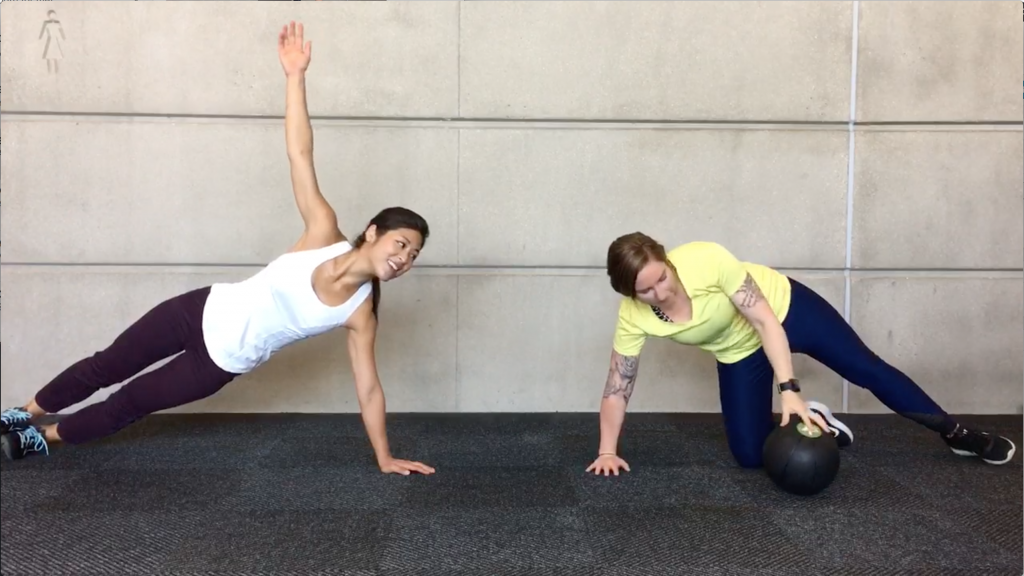
A Fun Partner Workout with a Medicine Ball
Whitney Wells created this fun medicine ball workout to do with a workout partner! Try to use a weight that works for both of you and, if you have options available, don’t be afraid to switch out weights between exercises. For this particular workout, an 8-10 pound medicine ball worked perfectly for us. Did you […]
Product Review
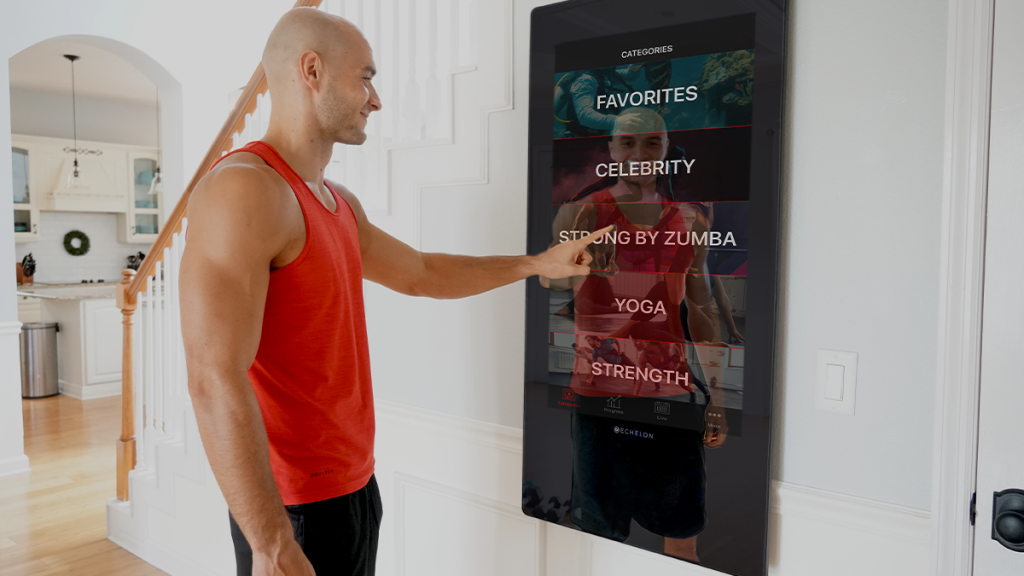
Echelon Reflect 50″ Touch Mirror
Echelon Reflect 50″ Touch Mirror Review by Paul Maggiotto Overall the Echelon Reflect does a good job of incorporating the in home personal trainer aspect without having one physically be there. Like the other Echelon product lines it works in conjunction with their Echelon Fit app, which is available in monthly or yearly plans. The […]
Fitness
Johnson Fitness and Wellness Acquires Gym Source Retail Stores
COTTAGE GROVE, Wis. (November 2, 2021) – Johnson Fitness and Wellness, the world’s largest specialty fitness retailer and the retail division of Johnson Health Tech, announced today that it is acquiring all Gym Source retail locations across the Northeast and Mid-Atlantic, including New York, New Jersey, Pennsylvania, Massachusetts, Virginia and Connecticut. The Gym Source stores […]
Product Review
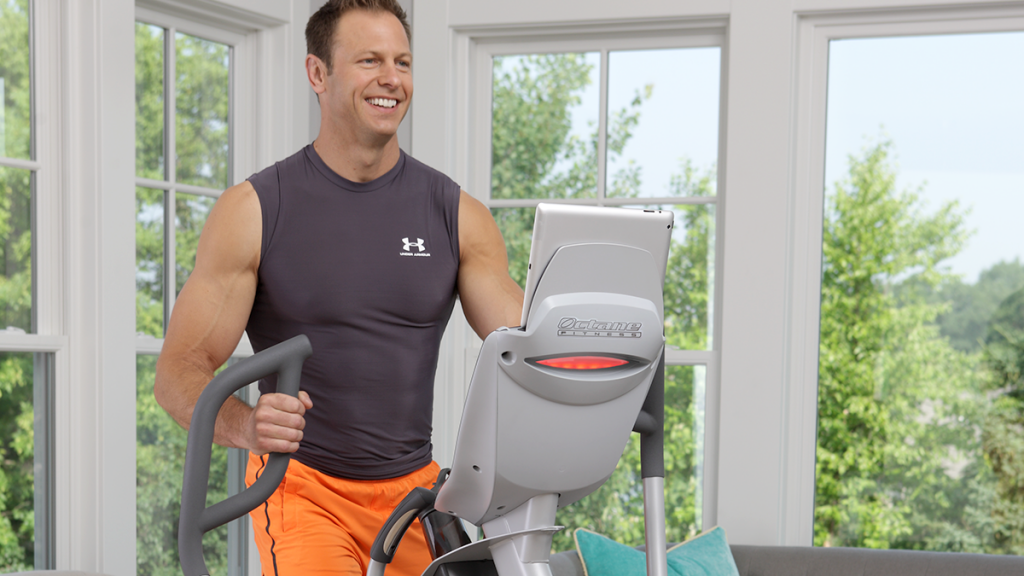
Octane Q37Xi Elliptical
Octane Q37Xi Elliptical Review by Rocco Lazaris The Octane Q37Xi is one of the most popular cross trainers in the specialty fitness field and for good reason. Fitness professionals like myself always talk about balanced fitness with customers and clients. Something I always like to tell my clients is “I can get you good […]
Product Review
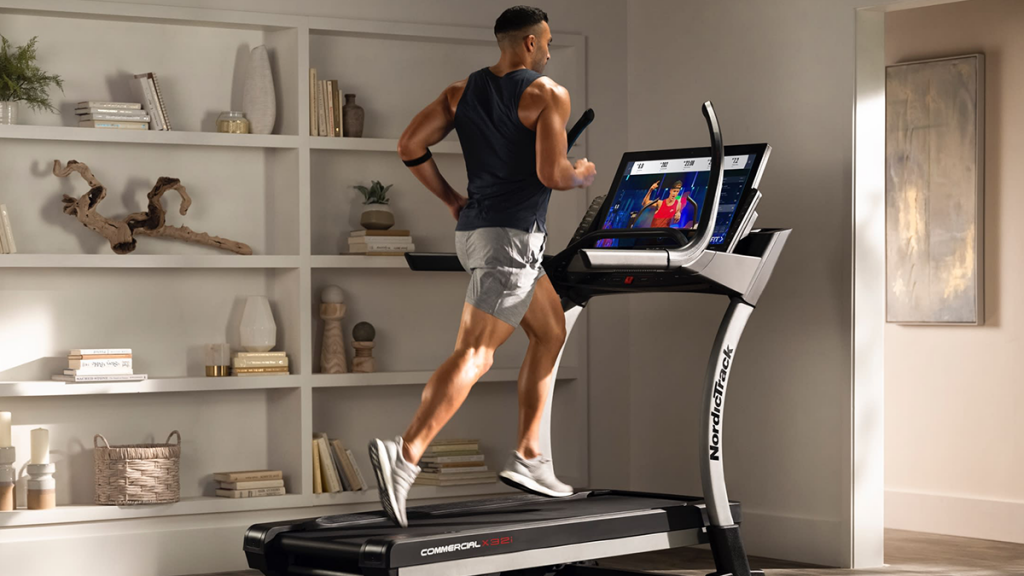
NordicTrack Commercial X32i Treadmill
NordicTrack Commercial X32i Treadmill Review by Paul Maggiotto The X32i incline trainer is a treadmill that I would categorize separately from a standard treadmill. This unit has the capability to incline up to 40 degrees while also declining down to -6 degrees. Due to the vast incline variation this treadmill requires a higher ceiling […]
Product Review
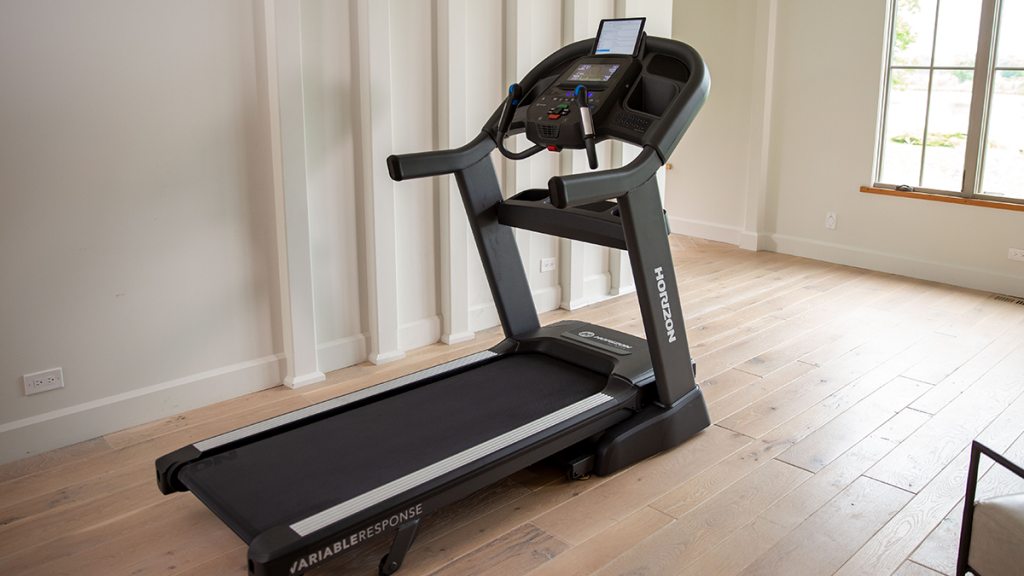
Horizon 7.8 AT Treadmill
Horizon 7.8 AT Treadmill Review by Shane Munson The Horizon Fitness 7.8 AT is a beefed up treadmill for runners that want to pay for engineering more than screens and technology. This is no doubt a heavy duty treadmill coming in at more than 300 lbs with a powerful 4.0 hp Johnson Digital Drive […]
Product Review
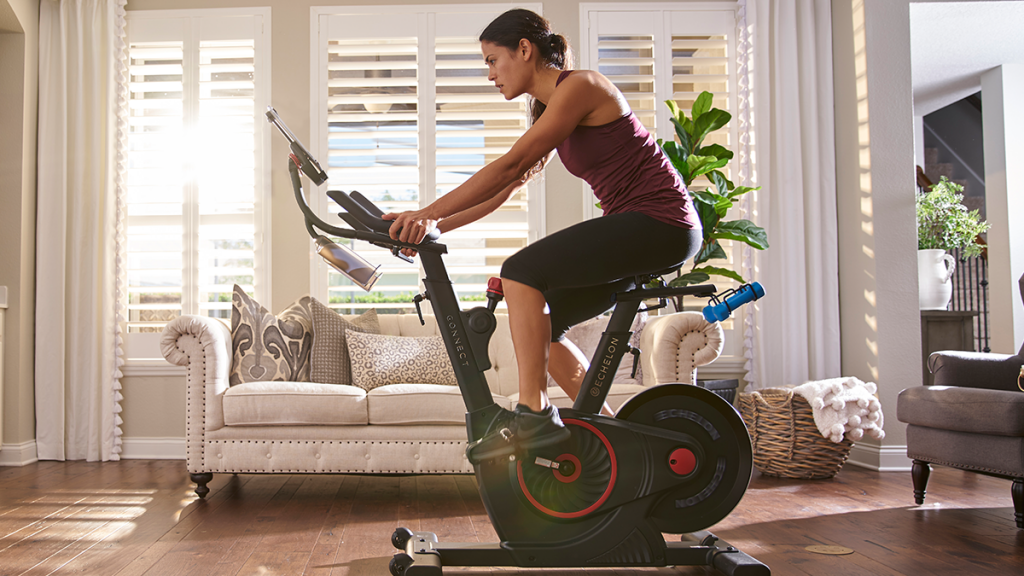
Echelon Smart Connect EX5 Bike
Echelon Smart Connect EX5 Bike Review by Martha Richardson If you are looking for a spin bike or a spin bike with interactive training, check out the ECHELON EX5. It is a well built bike and offers interactive training without breaking your budget. I like that the bike does not come with a built in […]
Product Review
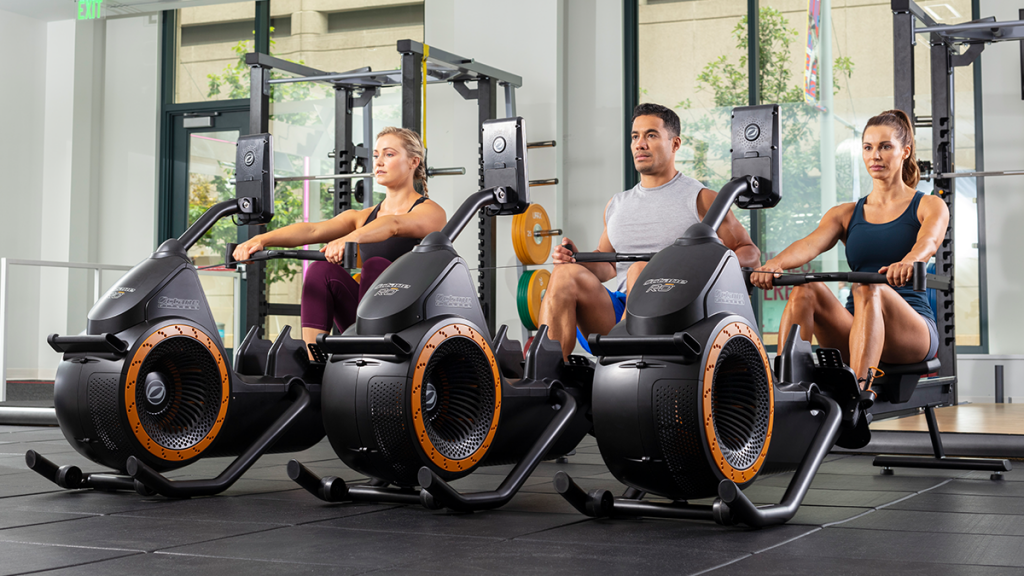
Octane Fitness RŌ Rower
Octane Fitness RŌ Rower Review by Shane Munson The RŌ Rower is the quality I would expect from Octane Fitness! This is a magnetic/air resistance rower with a nice bright colorful console. The machine is heavy duty and very smooth! The console has HIIT training, normal interval training as well as goal training and manual. […]
Product Review
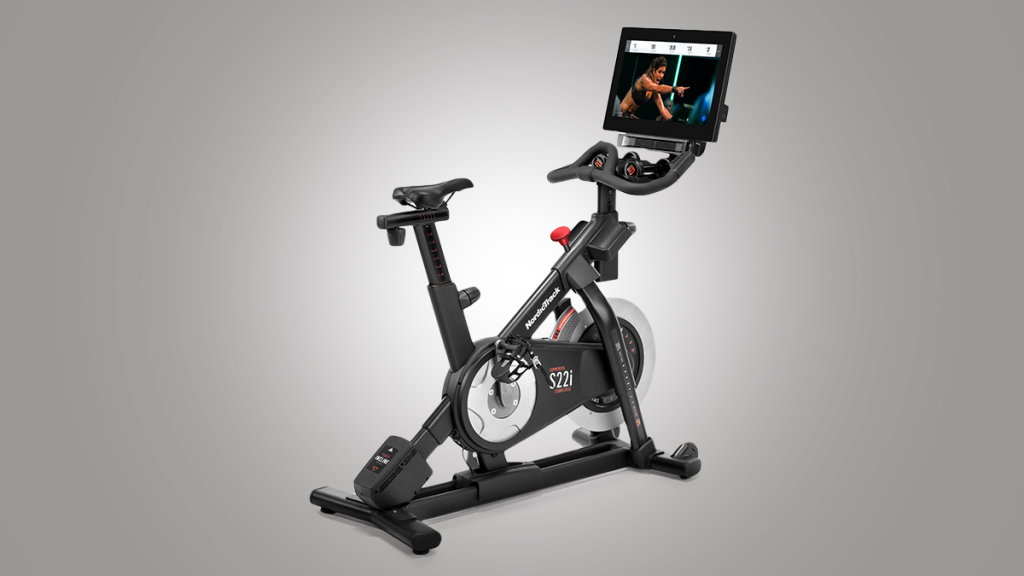
NordicTrack Commercial S22i Studio Cycle
NordicTrack Commercial S22i Studio Cycle Review by Paul Maggiotto The NordicTrack Commercial S22i Studio Cycle is one of the more unique style spin bikes currently on the market. As this unit works off a magnetic resistance the unit is quiet as it adjusts the resistance levels for you automatically. You can override this functionality as […]
Product Review
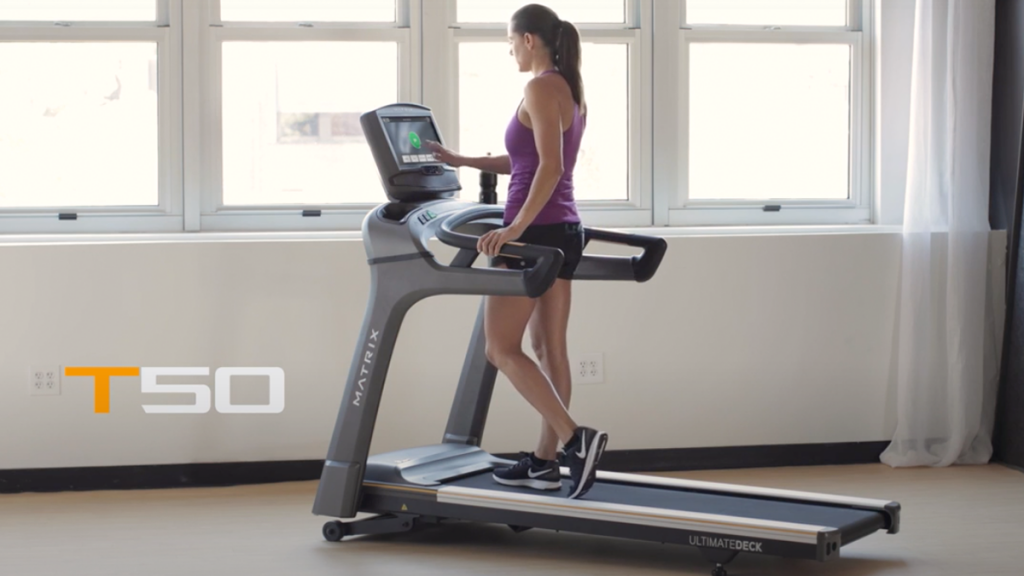
Matrix T50 Treadmill with XIR Console
Matrix Fitness T50 Treadmill with XIR Console Review by Tyler Bastianelli The Matrix T50 Treadmill is a top of the line machine with many features to enhance your workout and keep you coming back for more each time. With a 3.25 HP DC Johnson Drive System, Ultimate Deck System, and 2-ply, 2.2mm belt, this durable […]
Product Review
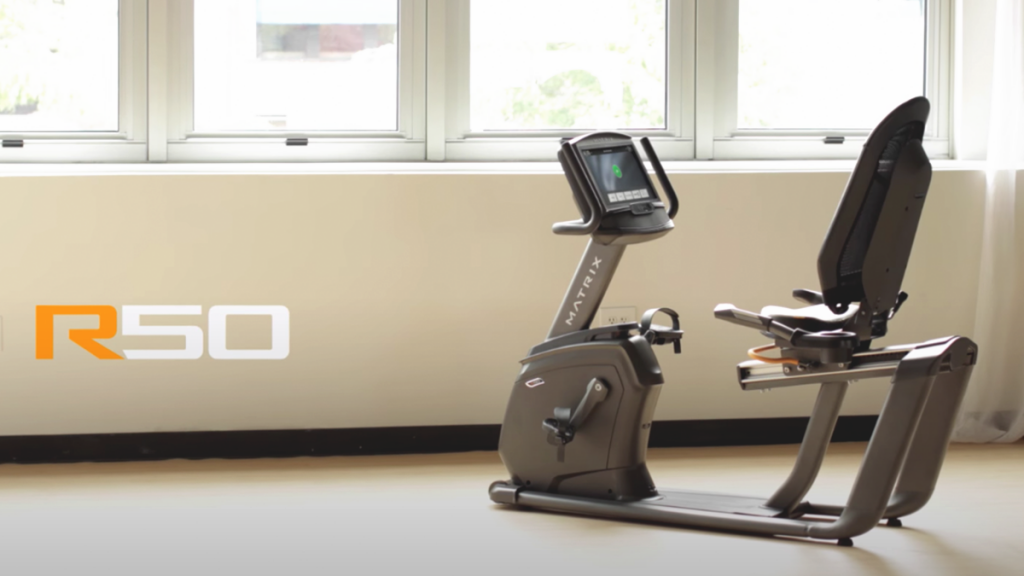
Matrix R50 Recumbent Bike with XIR Console
Matrix R50 Recumbent Bike with XIR Console Review by Nick Gregory The Matrix R50 XIR is an investment in quality. It emulates the Commercial Gym experience, while being personalized to facilitate your preferred training style. It’s easy to track your workouts with ViaFit, which syncs to top Fitness Apps like My Fitness Pal & Fitbit. […]
Product Review
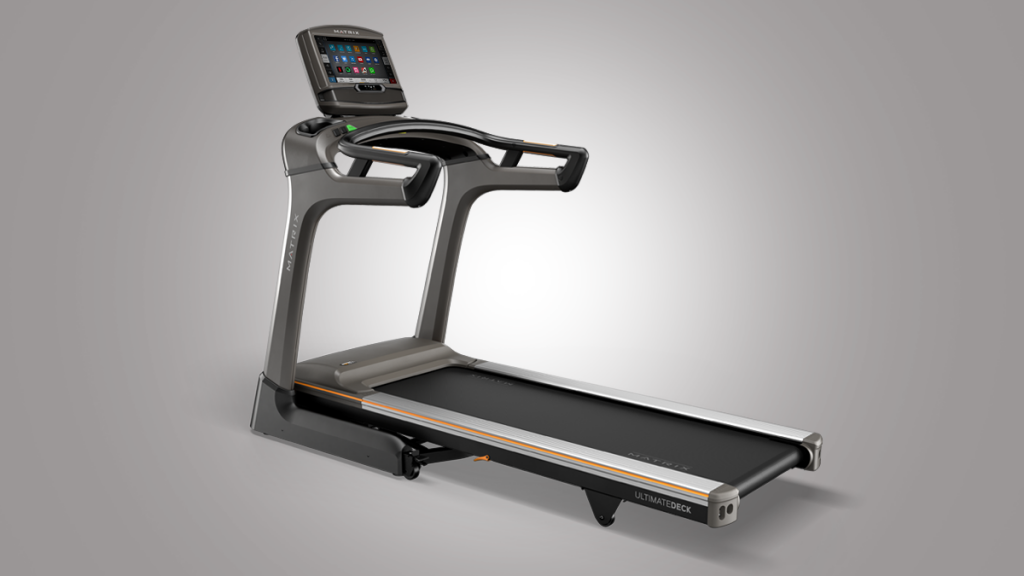
Matrix TF50 Treadmill with XIR Console
Matrix Fitness TF50 Treadmill with XIR Console Review by Elizabeth Bauer The Matrix TF50 with the XIR screen is perfect for every fitness level, whether you’re planning your next half marathon, or you’re just trying to reach your step goals for the day. The TF50 framing has assisted folding and four transport wheels for easy […]
Product Review
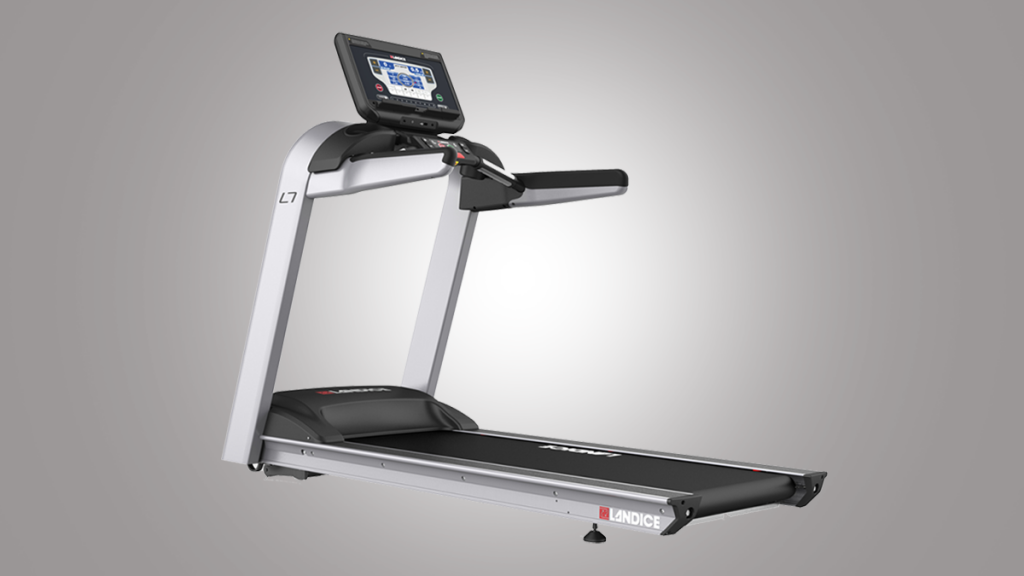
Landice L7 Treadmill with Cardio Console (Ortho Belt)
Landice L7 Treadmill with Cardio Console (Ortho Belt) Review by Paul Maggiotto The Landice L7 Treadmill with Ortho Belt and Cardio Console is an award-winning treadmill from a variety of fitness equipment review organizations. One of the sturdiest treadmills on the market, Landice is great for any level from beginner to advanced. It’s aluminum frame […]
Product Review
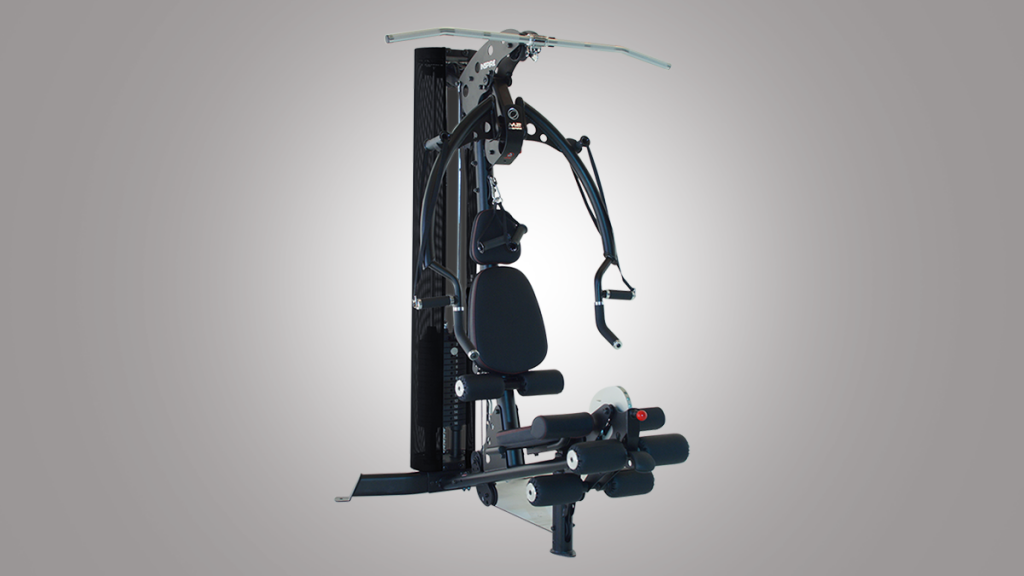
Inspire Fitness M2 Multi Gym
Inspire M2 Multi Gym Review by Bob Cooke The Inspire Fitness M2 Home Gym provides versatility and ease of use within a very compact footprint. All adjustments are very easy to perform and the motion is super smooth. The M2 is very well constructed. The cables are commercially rated making them very durable. The wide […]
Product Review
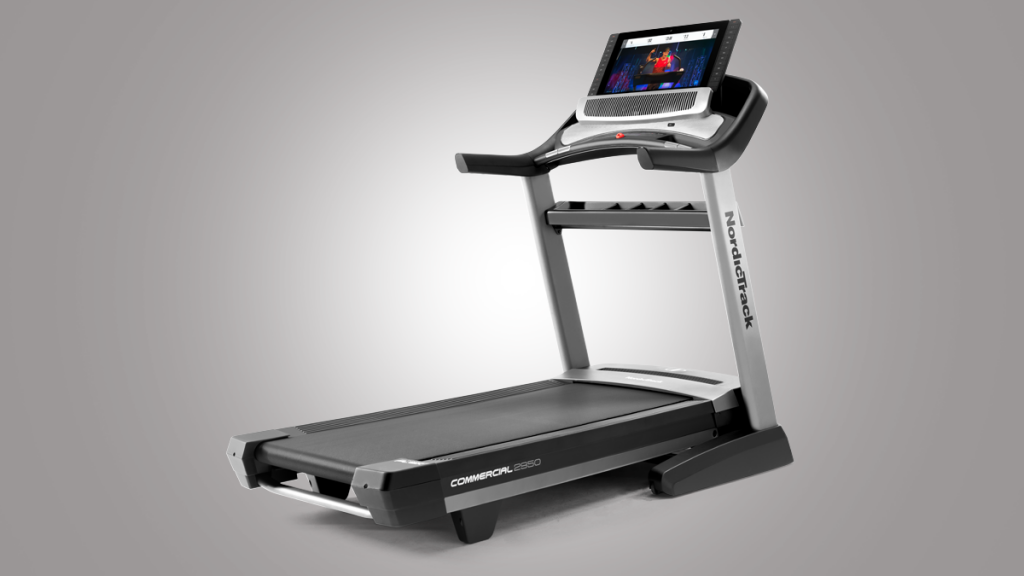
NordicTrack Commercial 2950 Treadmill
NordicTrack Commercial 2950 Treadmill Review by Brandon Munn The NordicTrack 2950 treadmill has a nice 15 Degree incline as well as a -3 Decline. Hard to find treadmill’s these days that offer a decline option. With low impact and various incline decline options it allows for any and every one to get in a great […]
Product Review
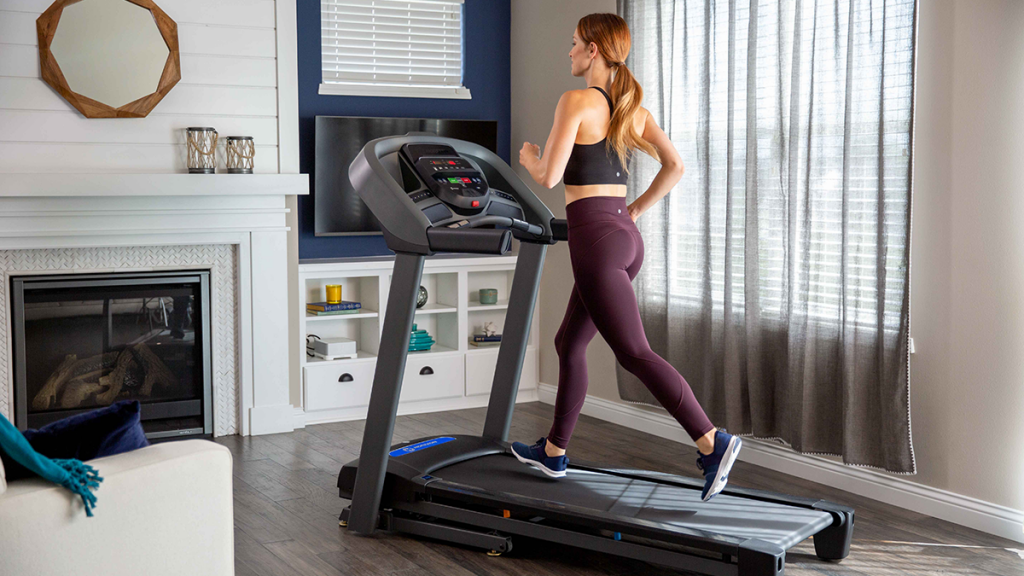
Horizon T101 Treadmill
Horizon T101 Treadmill Review by Rocco Lazaris If you’re looking for a treadmill for the first time the Horizon T101 might be a great fit. It has an attractive point that makes it very easy to consider it for purchase. The quality and features stand out from other units close to the same price point. […]
Product Review
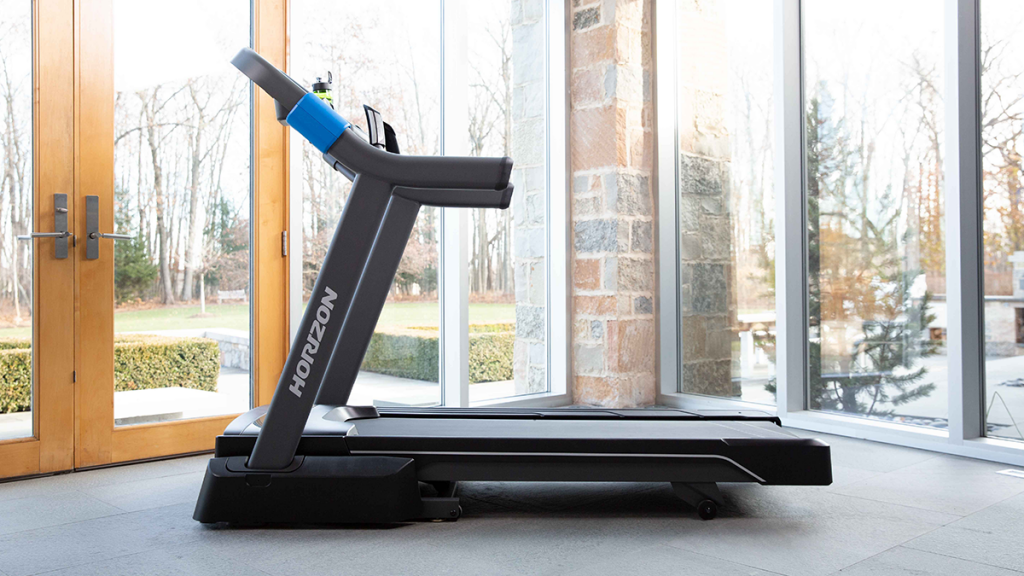
Horizon 7.0 AT Treadmill
Horizon 7.0 AT Treadmill Review by Dave Guernsey If your looking for a sturdy running treadmill built for tough workouts but don’t want to break the bank the Horizon 7.0 AT Treadmill is a great option. The 7.0 AT has a 3-Zone Variable Response Cushioning, 20″ x 60″ walk/run belt surface, bluetooth connectivity and a […]
Product Review
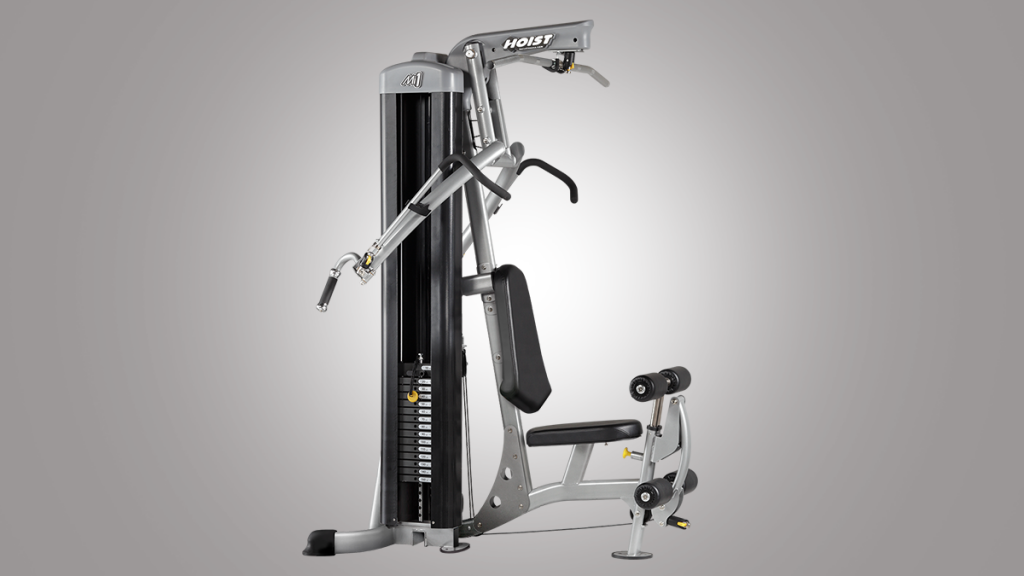
Hoist Mi1 Home Gym
Hoist Mi1 Home Gym Review by Trent Potts The Hoist Mi1 Home Gym is a great option for getting a full body workout. The high pulley allows for lat pulldowns and triceps press. The press arm is capable of a seated row, as well as chest exercises like chest press and pec flyes. Seated leg […]
Product Review
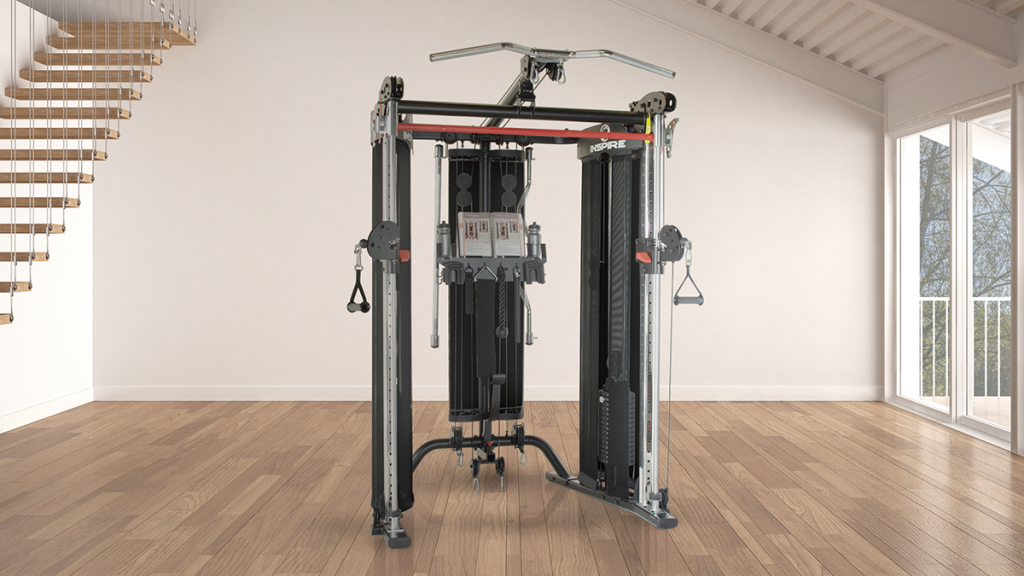
Inspire FT2 Functional Trainer
Inspire FT2 Functional Trainer Review by Paul Maggiotto The Inspire FT2 Functional Trainer is the perfect mix between a traditional functional trainer and free bar smith machine. The unit flows seamlessly between standard functional training and your more traditional free bar training simply by switching a tab from the front of the carriages to the […]