Explore popular categories
We have the best home fitness equipment at every price point.






Spring Sales Event
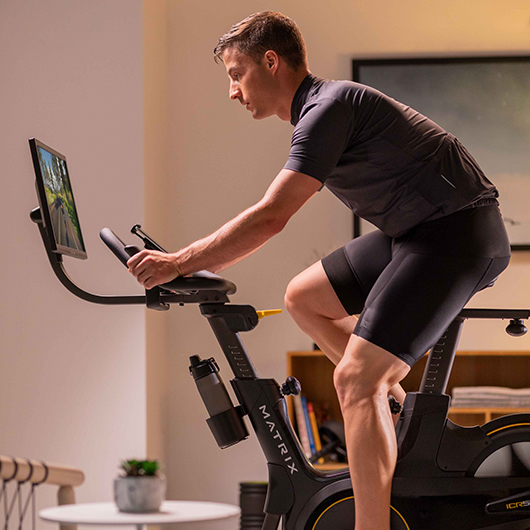
 Matrix ICR50 Indoor Cycle
$1,799.00-$1,998.00
Matrix ICR50 Indoor Cycle
$1,799.00-$1,998.00
$999.00-$1,098.00 Matrix T75 Treadmill
$5,899.00-$8,299.00
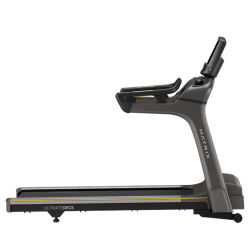
Matrix T75 Treadmill
$5,899.00-$8,299.00
$4,899.00-$6,899.00
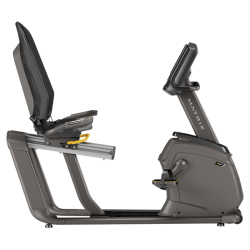
Matrix R50 Recumbent Bike
$4,099.00-$6,499.00
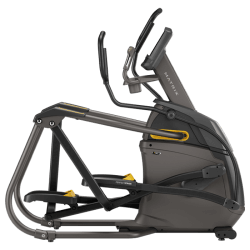
$3,399.00-$5,399.00 Matrix A50 Elliptical
$5,499.00-$7,899.00
Matrix A50 Elliptical
$5,499.00-$7,899.00
$4,599.00-$6,599.00
Matrix C50 ClimbMill
$5,999.00-$8,399.00
$4,999.00-$6,999.00
Matrix E30 Elliptical
$3,799.00-$5,499.00
$3,199.00-$4,599.00
Matrix TF30 Folding Treadmill
$3,799.00-$5,499.00
$3,199.00-$4,599.00
Matrix Cardio Flash Sale
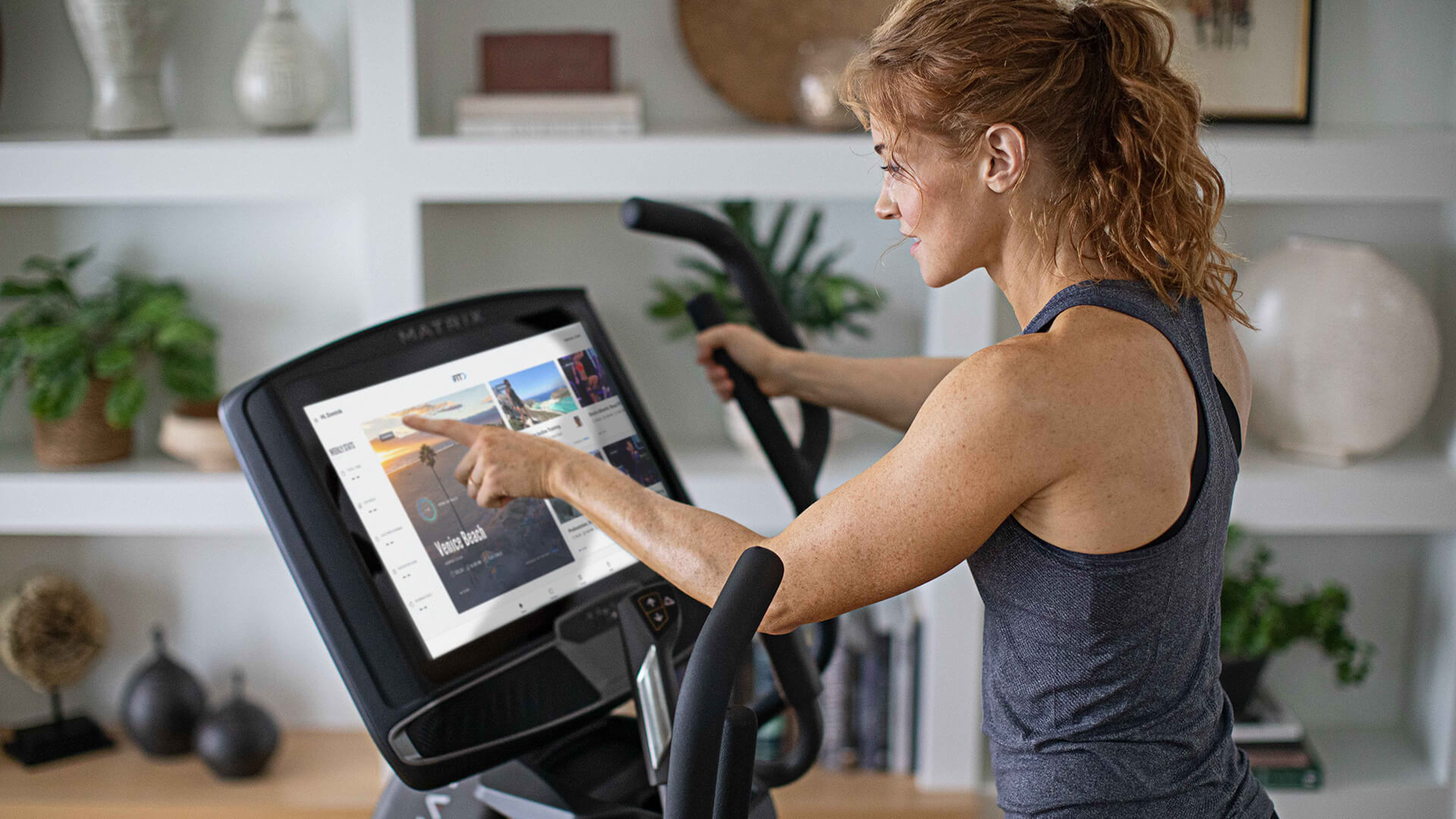
Use code on product page for up to $2,100 off on our best selling Matrix cardio equipment. For a limited time only.
Shop All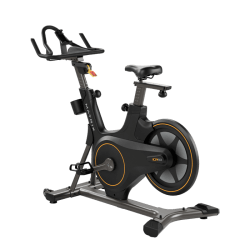
$999.00-$1,098.00
$4,899.00-$6,899.00
$3,399.00-$5,399.00
$4,599.00-$6,599.00
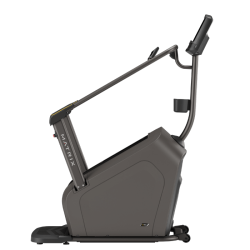
$4,999.00-$6,999.00
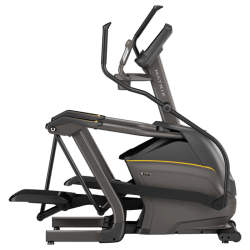
$3,199.00-$4,599.00
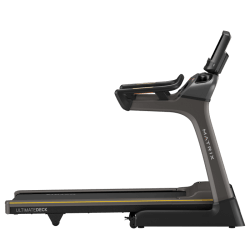
$3,199.00-$4,599.00

New
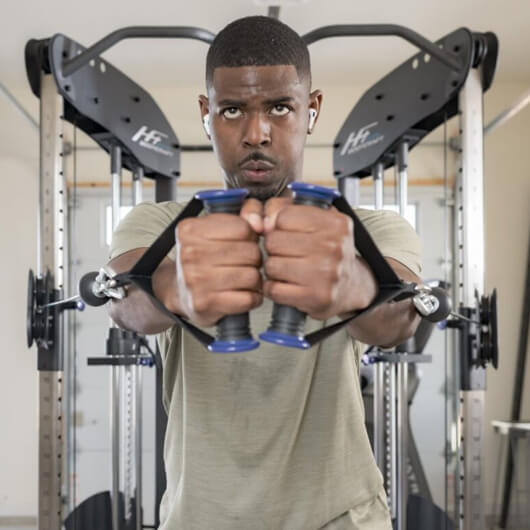
Matrix FTR30 Functional Trainer
Save $850
- Endless Exercise Variety
- Streamline weight changes
- Thoughtful home design
Shop more sales
Spring Sales Event
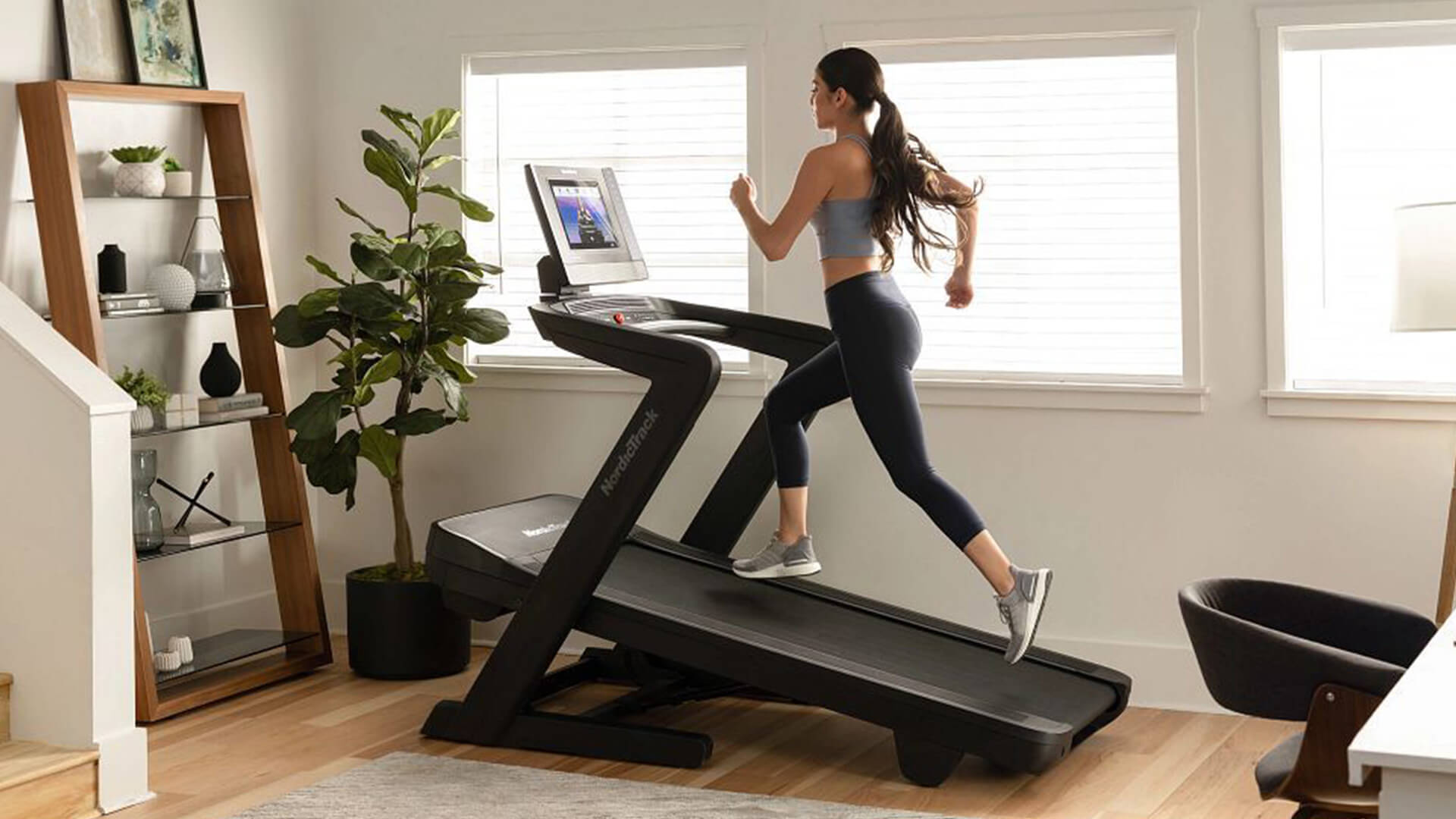
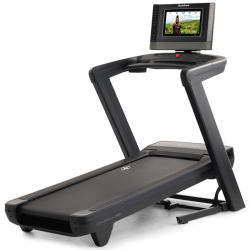
NordicTrack NEW Commercial 1250 Treadmill
$1,999.00
$1,799.00
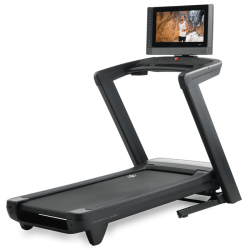
NordicTrack NEW Commercial 1750 Treadmill
$2,499.00
$1,999.00
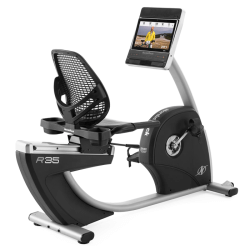
NordicTrack Commercial R35 Recumbent Bike
$1,499.00
$1,399.00
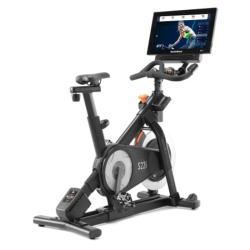
NordicTrack Commercial S22i Studio Cycle - 2021 Model
$1,499.00
NordicTrack NEW Commercial 2450 Treadmill
$2,999.00

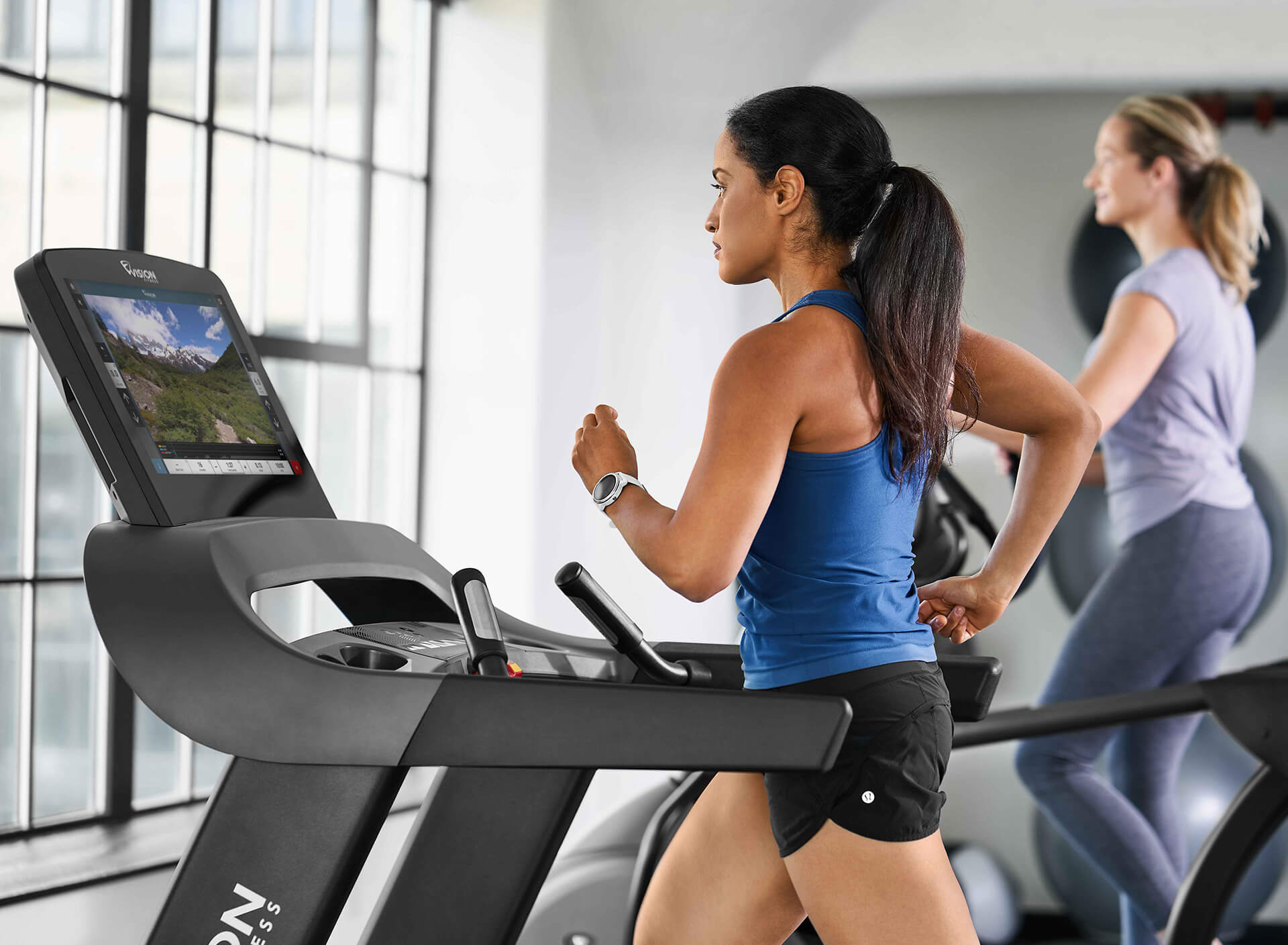
NordicTrack Cardio Sale
Save up to $700 on popular NordicTrack treadmills and bikes.
Shop All
Spring Sales Event
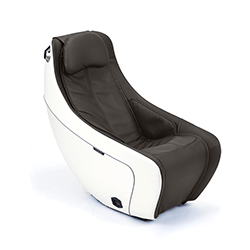
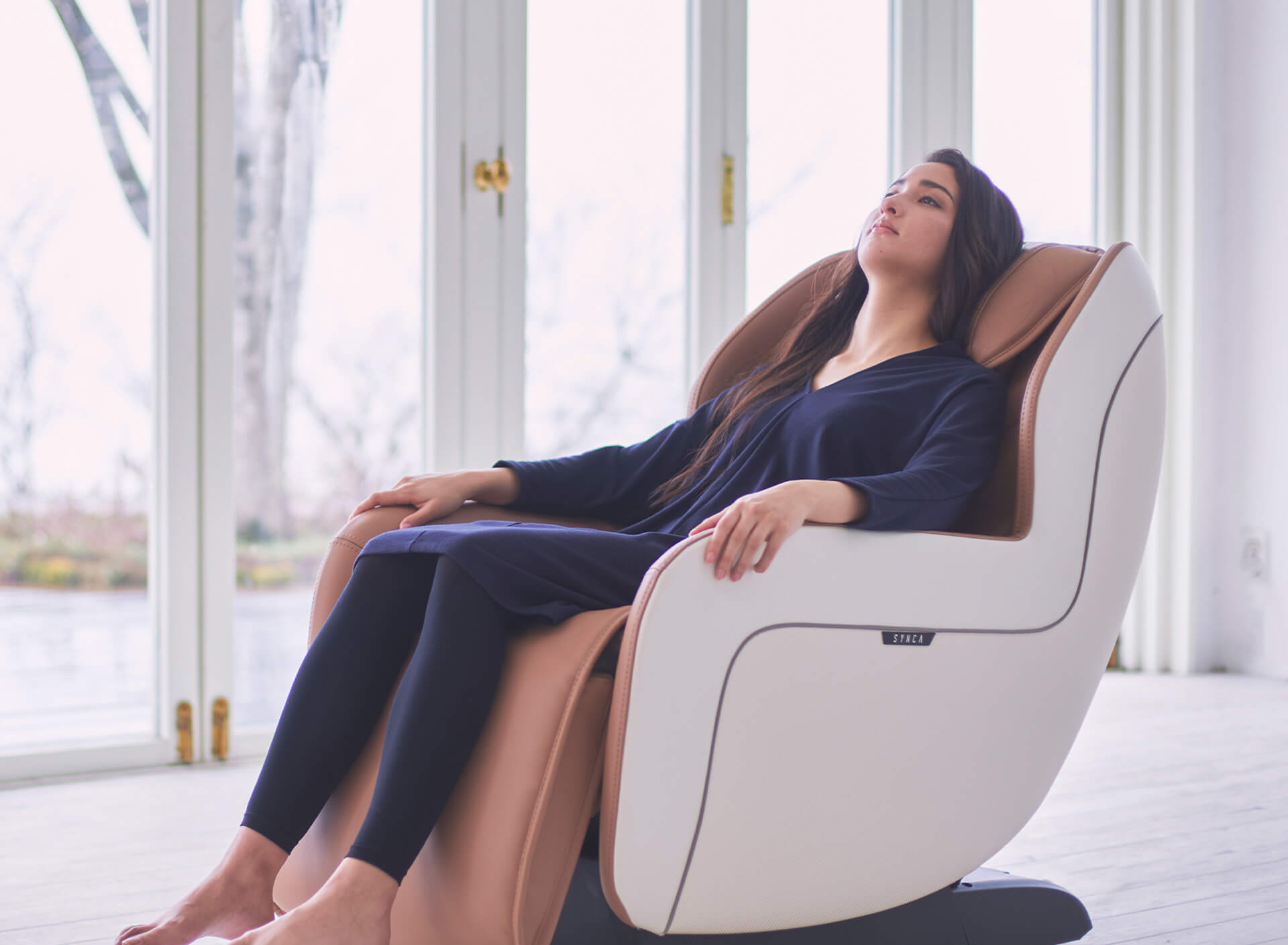
Synca CirC+ Massage Chair
$2,299.99
$1,699.99
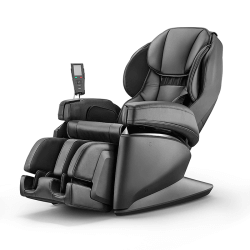
Synca JP3000 5D AI Ultra Premium Massage Chair
$11,999.99
$10,999.99
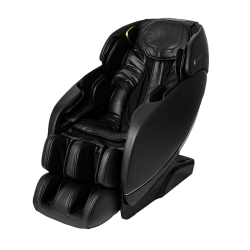
Inner Balance Ji Massage Chair with Zero Wall Heated L Track
$2,999.99
$1,999.99
Inner Balance Jin 2.0 SL Track Massage Chair
$3,999.99
$2,999.99
Synca CirC Massage Chair
$1,199.99
$999.99
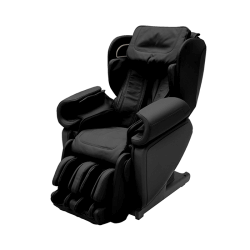
Synca KAGRA 4D Massage Chair
$6,499.99
$5,499.99
Synca JP1100 4D Massage Chair
$10,999.99
$8,999.99
Inner Balance Jin L Track Massage Chair
$4,999.00
$3,999.99
Synca Kurodo Massage Chair
$10,999.99
$8,999.99
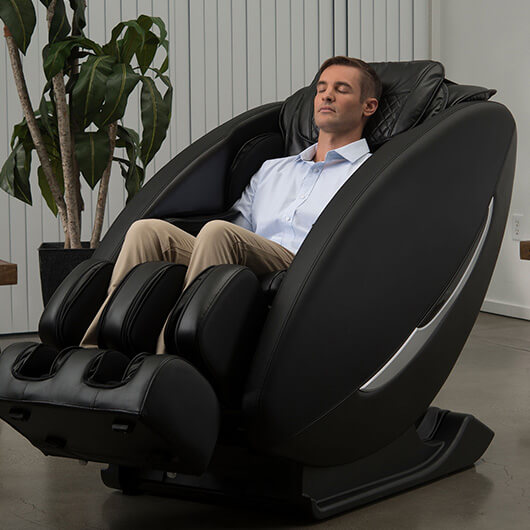
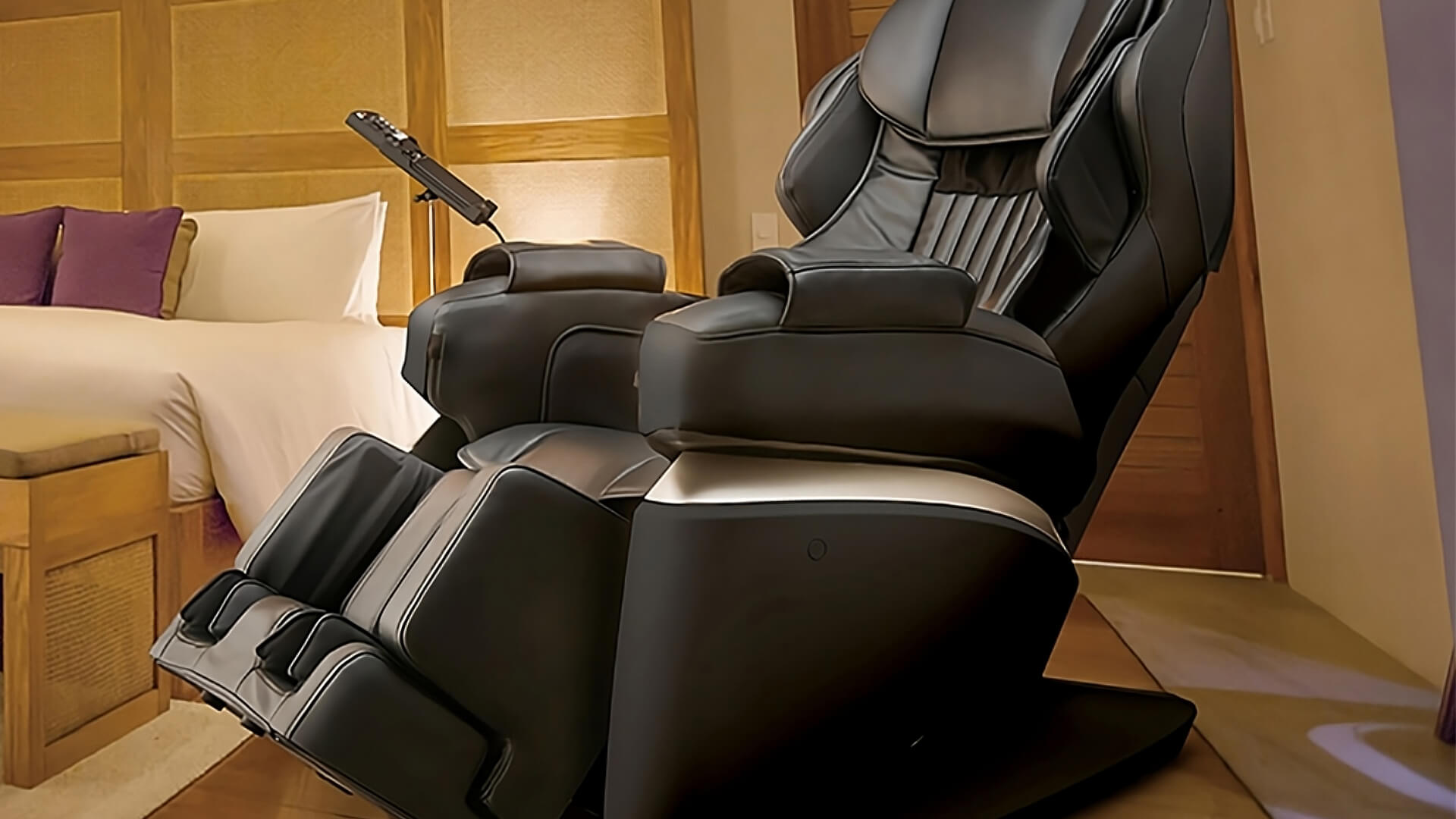
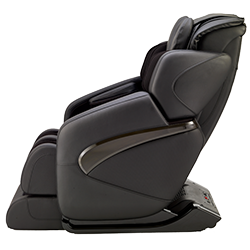
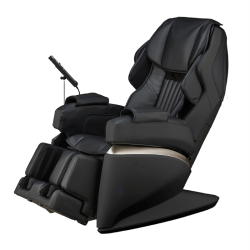
Your Massage Chair Headquarters
With the best selection of high-quality Japanese massage chairs, you're sure to find the right fit.
Shop All
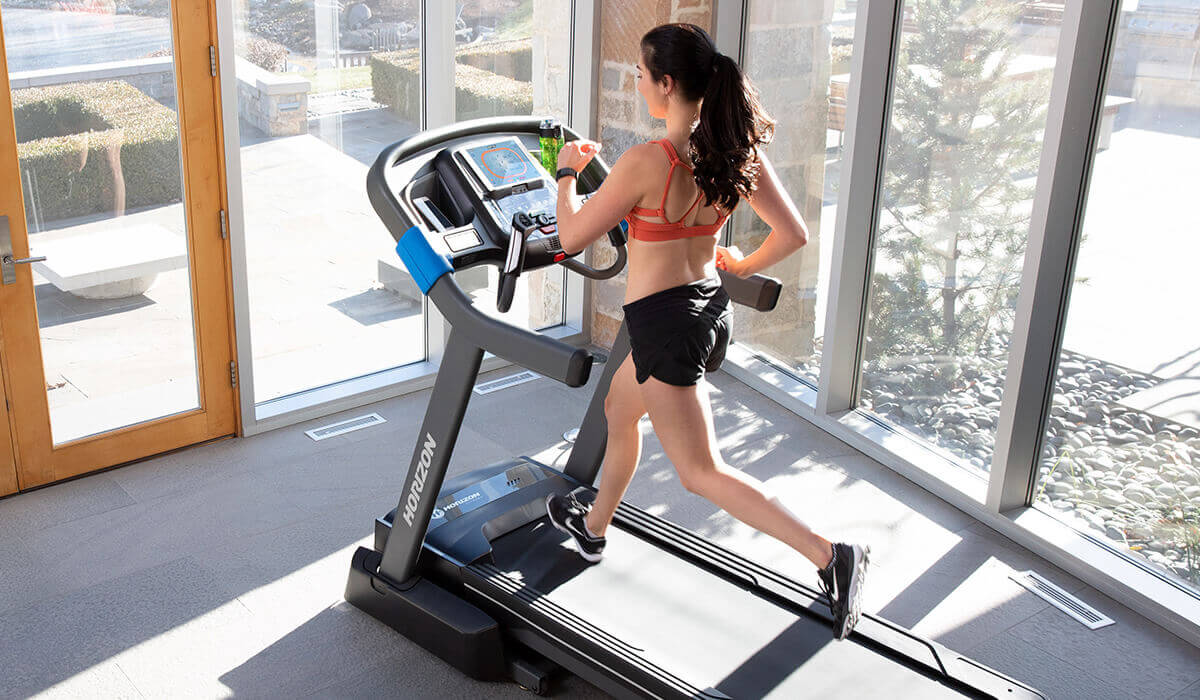
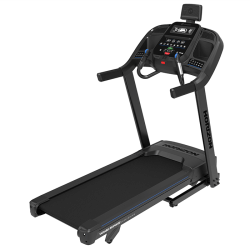
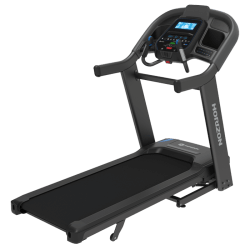
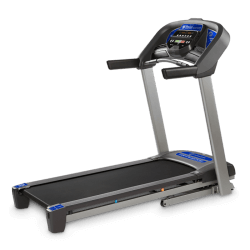
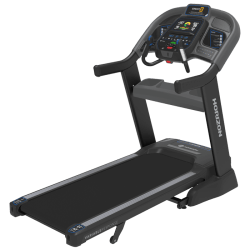
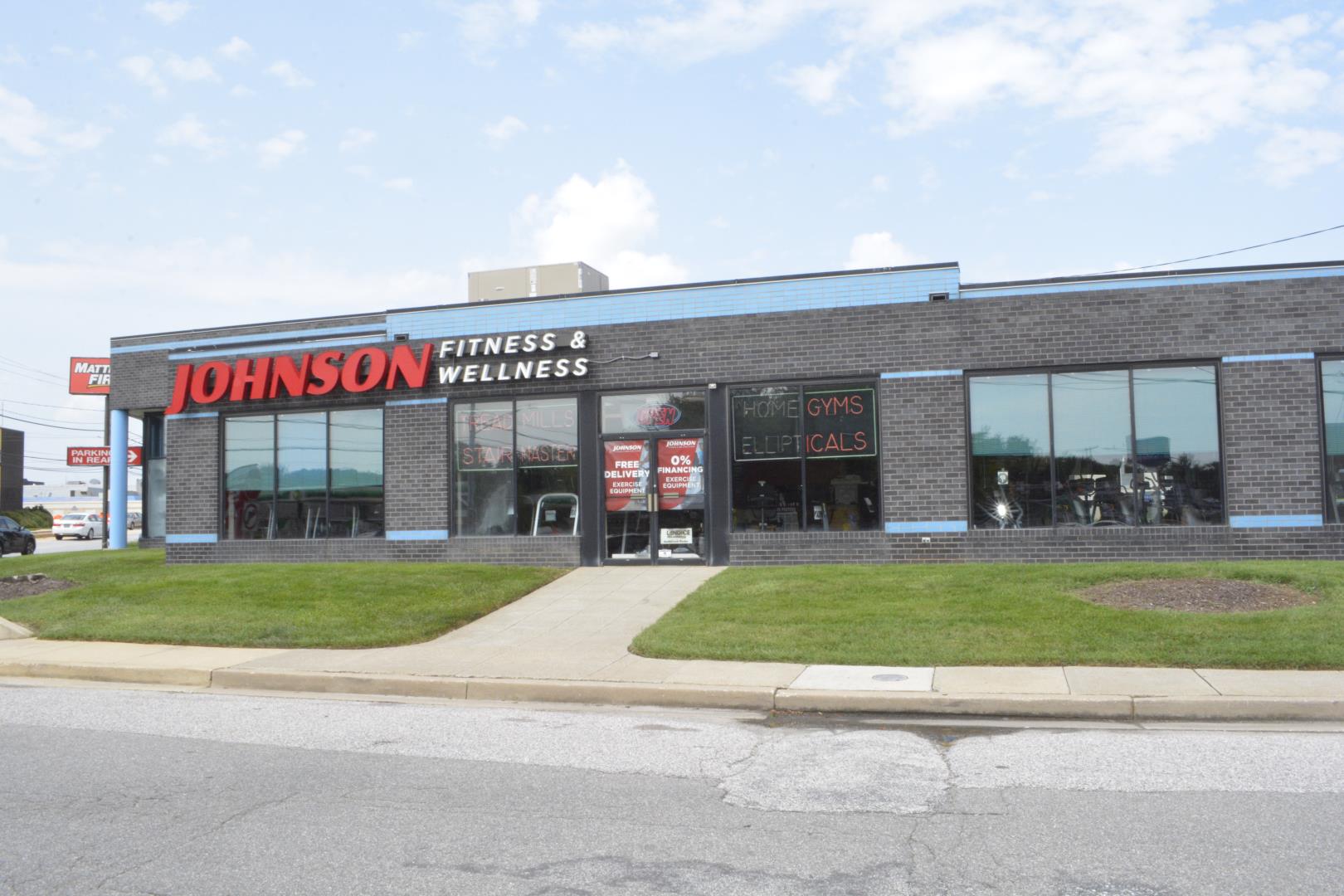
Welcome to the Home of Fitness.
We’re here to empower your fitness and well-being in everything we do.



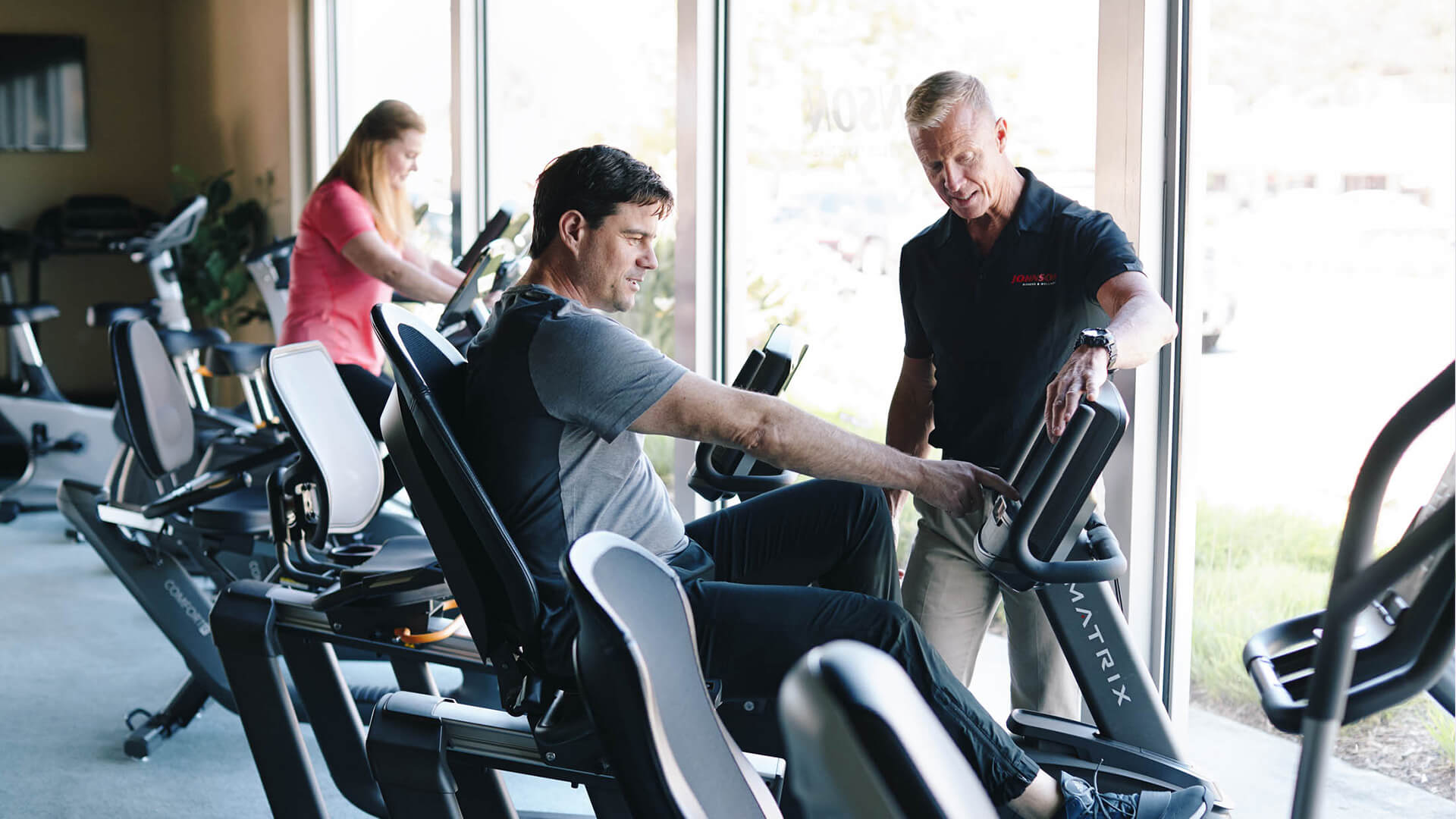
Visit one of our 100+ retail showrooms.
Let us help you find the right equipment that fits your needs.
We’re dedicated to helping you live a healthier lifestyle. Achieve your fitness and wellness goals with our personalized approach and quality equipment.
We're more than just home fitness.




Spring Sales Event
To redeem your savings, use code SPRING24 in you cart.
- Save $50.00 on orders over $1,000.00
- Save $100.00 on orders over $2,000.00
- Save $150.00 on orders over $3,000.00
- Save $200.00 on orders over $4,000.00
*Excludes NordicTrack, WaterRower, and Inspire Fitness. Cannot be combined with any other offer.